Why the Service Drive Should Be a Primary Source of CPO Inventory
Every used-car manager knows the auction price is not the true cost of an auction vehicle.
The bid is only the beginning.
Dealers also have to account for buyer fees, transportation, inspection, reconditioning, time in transit and the days it takes to get that vehicle retail-ready. Cox Automotive has long advised dealers to calculate acquisition, transportation and reconditioning costs before determining what they can afford to pay for a wholesale unit.
At the same time, wholesale competition remains strong. In Q1 2026, Manheim reported that wholesale used-vehicle values reached a two-and-a-half-year high, while auction conversion climbed to 68.2%, signaling continued dealer demand and competition for inventory.
For franchise dealers, that makes one inventory source increasingly difficult to overlook:
the service drive.
Start With the Vehicles You Already Know
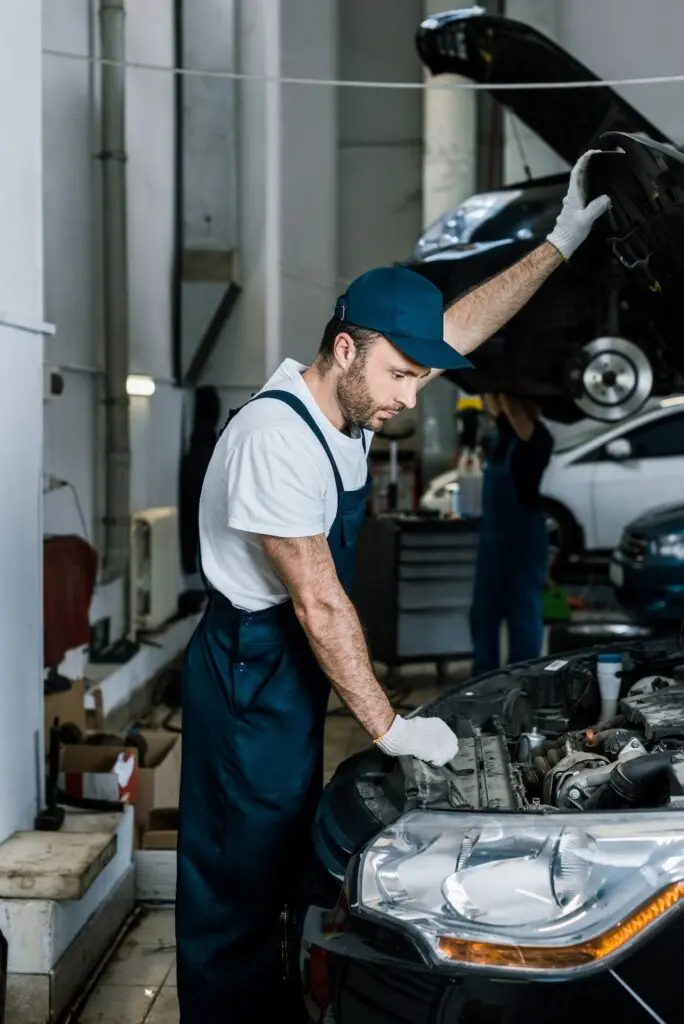
The service lane gives dealers access to something the auction cannot always provide: vehicles already connected to their customer base and, in many cases, to their own service history.
That can be especially valuable when sourcing potential Certified Pre-Owned inventory.
A late-model vehicle coming through the service department may already fit the age, mileage and condition profile the dealership needs. The store may also have greater visibility into its maintenance history, recent repairs and overall condition before deciding whether to pursue it.
That does not eliminate inspection or reconditioning.
It does give the dealership an opportunity to evaluate the vehicle much earlier in the acquisition process.
And when the right vehicle is acquired directly from a service customer, the dealership avoids sending its team into the wholesale market to replace that same unit.
Auction Cost Is More Than the Hammer Price
Auctions remain an essential part of dealership inventory strategy. The argument is not that dealers should stop buying there.
The question is whether every unit needs to come from there.
Cox Automotive identifies acquisition cost, transportation and reconditioning as expenses dealers need to factor into wholesale purchasing decisions. Its research on wholesale logistics has also shown how transportation alone can add meaningful time between purchase and arrival at the dealership.
That time has a cost.
A vehicle cannot be merchandised while it is waiting for transportation.
It cannot generate leads while it is waiting for inspection.
And it cannot produce gross while it is sitting in reconditioning.
NIADA has also reported rising reconditioning costs among used-car dealers, illustrating how quickly expenses beyond the purchase price can affect the economics of a unit.
The more of that process a dealership can compress or avoid through direct acquisition, the stronger the opportunity becomes.
CPO Makes the Service Drive Even More Strategic
Certified Pre-Owned programs create a particularly strong use case.
Franchise dealers need vehicles that fit defined standards for age, mileage, condition and inspection.
Many of those vehicles are already coming through the service department every day.
That means the service drive can function as more than an acquisition channel. It can become a CPO sourcing strategy.
Instead of waiting until the dealership needs a particular used vehicle and then competing for it at auction, the store can continuously identify potential inventory among existing service customers.
The advantage is not simply cost.
It is control.
The dealership can become more deliberate about the inventory it wants to acquire rather than relying exclusively on what happens to be available in the wholesale market that week.
The Challenge Is Doing It at Scale
Most dealerships already understand the concept of buying vehicles from service customers.
The challenge is turning that idea into a consistent source of inventory.
Thousands of repair orders can move through a dealership every month. Only a portion will represent vehicles the dealership actually wants, and only a portion of those customers will be interested in selling or trading.
That is where technology becomes important.
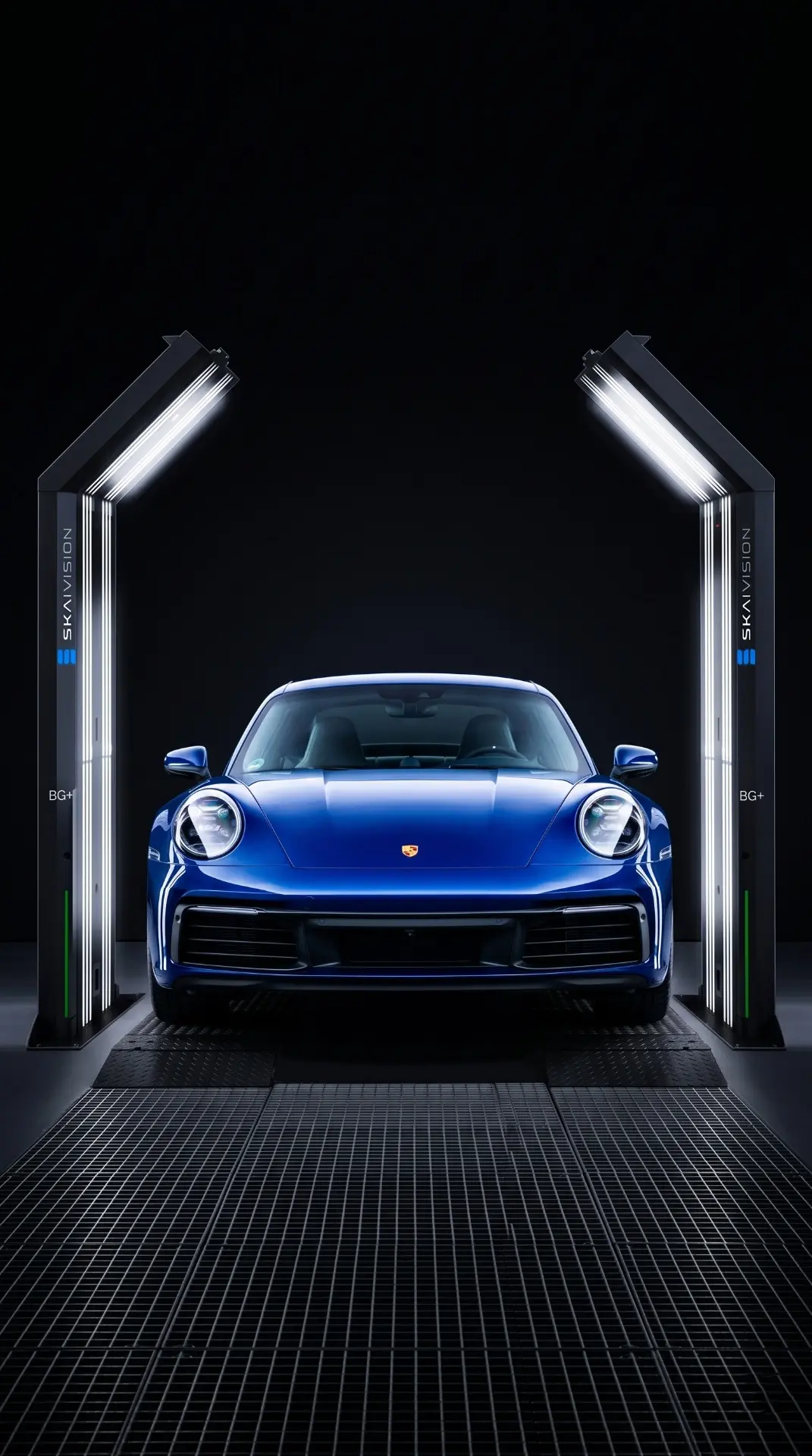
SKAIVISION helps dealerships identify and engage acquisition opportunities as vehicles enter the lane, then manage those conversations through workflows customized around the store's objectives.
That can include which vehicles or customers should be targeted, how the conversation develops, when additional team members should become involved and when managers should be alerted if an opportunity begins to slow down.
The objective is not to text every service customer.
It is to create a repeatable process for identifying and converting the right opportunities.
A Better Inventory Mix Starts With Better Sourcing
Auction buying will remain part of used-vehicle retail.
But the strongest sourcing strategy does not have to begin at the auction.
For franchise dealers, there is a compelling reason to start with the service drive — particularly when the objective is finding desirable late-model and potential CPO inventory.
Those vehicles are already entering the dealership's operation.
The opportunity is to identify the right ones early, engage the customer quickly and create a process that turns service traffic into a dependable acquisition channel.
Because every quality vehicle acquired directly from the lane is one less vehicle the dealership has to go compete for somewhere else.