Traditional service-lane texting waits for the repair order. SKAIVISION doesn't. It engages the customer the moment their vehicle arrives — often 3 to 5 minutes before a competing platform has any data to act on.
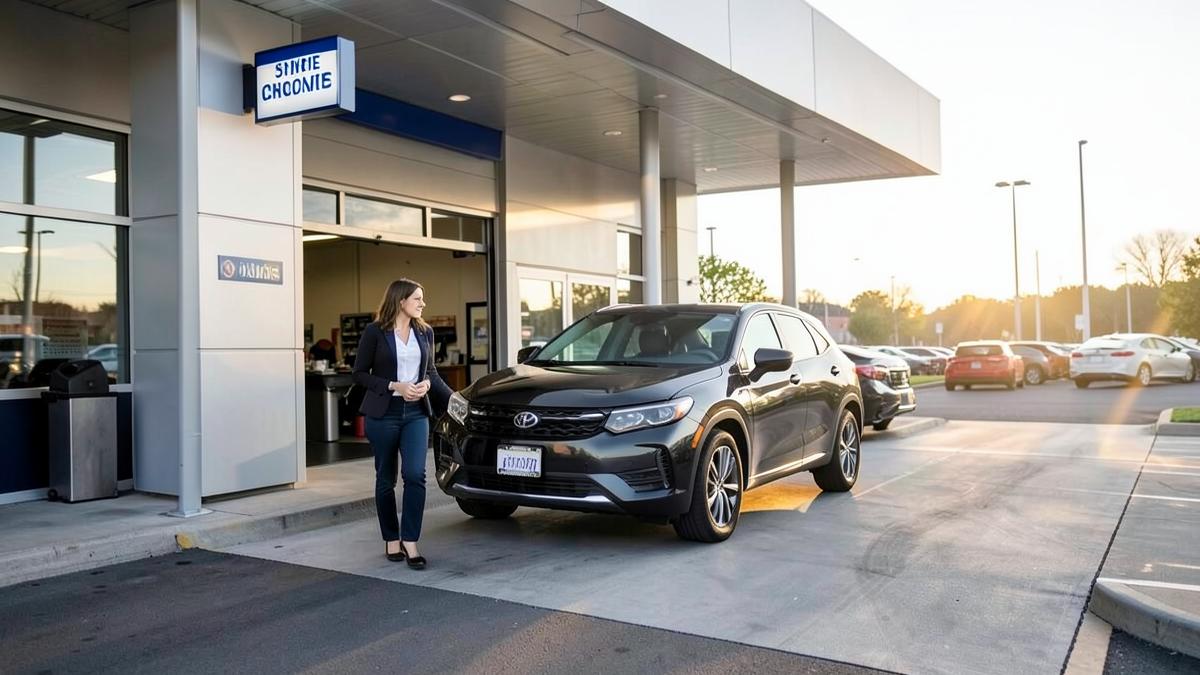
A vehicle rolls into the service lane. The clock is already running.
Every dealership acquisition strategy comes down to one thing: who talks to the customer first. In the service lane, that window is measured in minutes — and most dealers are losing those minutes without realizing it.
Repair-order-based texting platforms have been the industry standard for years. They're useful, but they share the same structural limitation: they can't send anything until a repair order (RO) exists. That means an advisor has to greet the customer, walk around the vehicle, open the RO in the DMS, and key in the details before the platform has anything to fire on.
SKAIVISION removes that dependency entirely. The trigger isn't data entry — it's the vehicle itself.
How SKAIVISION Starts the Conversation Earlier
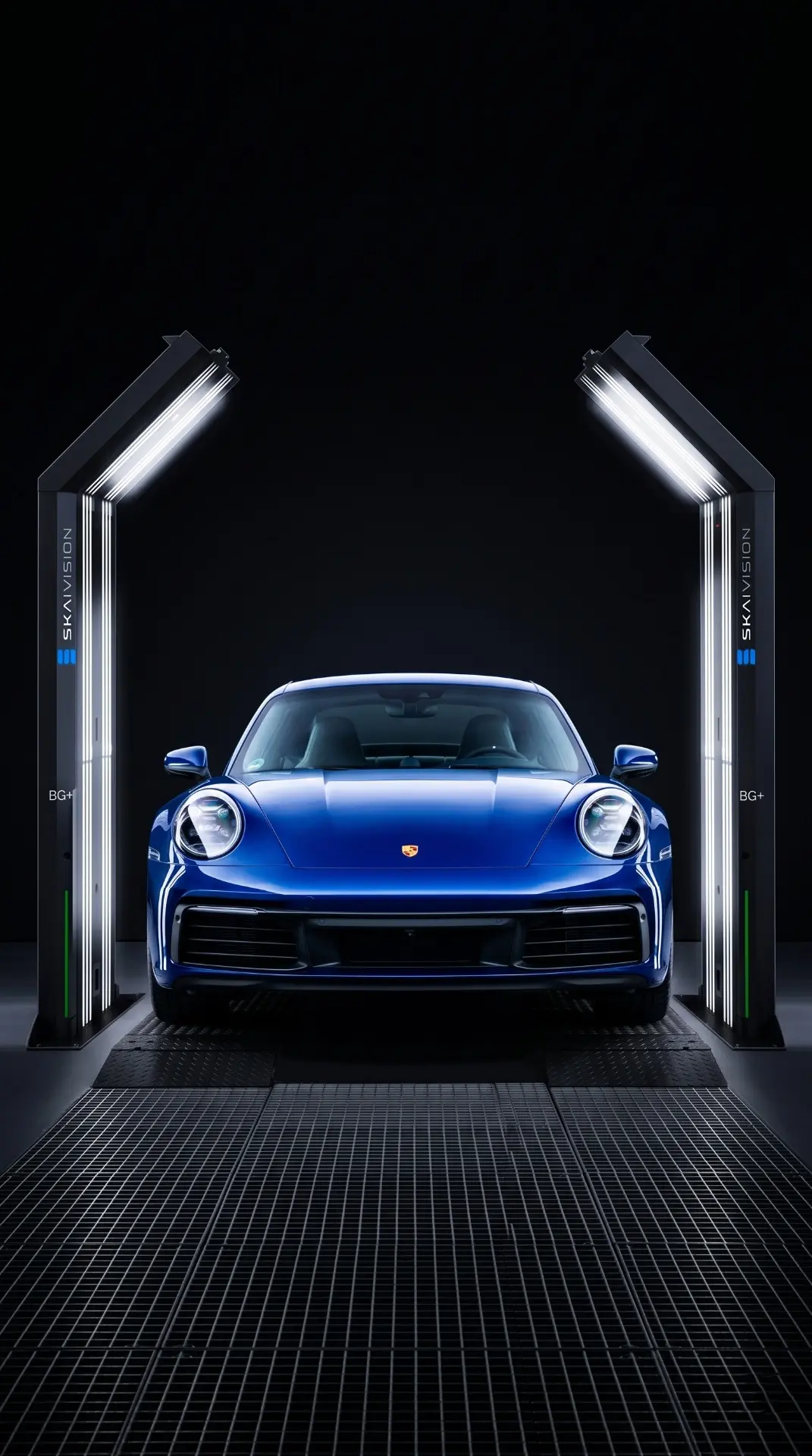
When a customer pulls into the service drive, a camera captures the license plate. SKAIVISION converts that plate to a VIN, matches it against the customer record, evaluates equity and acquisition fit, and — if the vehicle qualifies — sends a personalized text offer to the customer's phone.
All of this happens automatically, before an advisor has typed anything into the DMS. By the time the RO is being written, SKAIVISION's offer is already sitting in the customer's messages.
The SKAIVISION Advantage
3–5 min head start on every service-lane conversation
A Side-by-Side Timeline
0:00
- SKAIVISION: Camera captures plate as vehicle enters service lane
- Traditional: Vehicle arrives — no action possible yet
0:15
- SKAIVISION: Plate → VIN → customer + equity lookup
- Traditional: Customer waits for an advisor
0:45
- SKAIVISION: Personalized text offer sent to customer
- Traditional: Advisor begins vehicle walkaround
3:00
- SKAIVISION: Customer is already reading the offer
- Traditional: Advisor opens DMS, begins repair order
4:30
- SKAIVISION: Reply thread active with acquisition desk
- Traditional: RO created — first text finally sent
Why Those Minutes Matter
Service customers are most attentive in the first few minutes of their visit. They're standing next to their vehicle, phone in hand, not yet distracted by the waiting room, a loaner, or their workday. An offer that arrives in that window gets read. An offer that arrives 5 minutes later — after the RO is finally cut — competes with everything else on their screen.
Multiply that across every RO your store writes in a month and the compounding effect on acquisition volume is significant. Same customers. Same equity. Better timing.
SKAIVISION vs. Repair-Order-Based Platforms
| Arrival-based (SKAIVISION) | Repair-order-based (Traditional) | |
|---|---|---|
| Trigger | Triggered by physical arrival in the service lane | Waits for an RO to exist in the DMS |
| Data | Plate-to-VIN in seconds via computer vision | Depends on advisor workflow and speed |
| Timing | Offer sent before the advisor touches the DMS | Customer often already disengaged when text lands |
| Engagement | Engages customers in the highest-attention window | No visibility until data entry is complete |
| Advantage | 3–5 minute head start on every visit | Loses the first-mover advantage every time |
The SKAIVISION Workflow
- Vehicle enters service lane — Camera captures license plate in real time.
- Plate resolves to VIN — Instantly matched to your customer database.
- Equity + acquisition fit evaluated — Vehicles worth pursuing are flagged automatically.
- Personalized text-to-offer sent — Customer receives an offer before the RO is written.
- Reply routes to acquisition team — Live conversation handed off to the right person, not the advisor.
Physical Activity, Not Data Entry
The core shift is this: acquisition shouldn't be gated by paperwork. SKAIVISION connects the physical event of a vehicle arriving with the digital workflow of engaging its owner. No waiting on the RO. No dependency on how quickly the drive is moving that morning. Just the vehicle, the customer, and an offer at the moment attention is highest.
Repair-order texting will always be one step behind — because it's reacting to data. SKAIVISION reacts to the vehicle itself.